Product details description
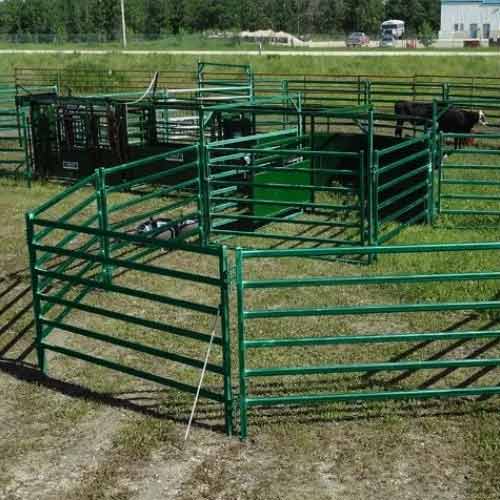
Using a cattle fence to create lanes and alleys on farms or ranches is a
practical, cost-effective way to manage livestock movement, enhance safety, and
improve operational efficiency. Cattle fences are designed to withstand the
size, strength, and pressure of cattle, making them ideal for defining pathways
that guide animals to pastures, barns, feeding areas, or milking parlors. The
right fence design balances durability, visibility, and ease of movement,
ensuring cattle move calmly while minimizing stress and injury.
When designing lanes and alleys with cattle fences, consider layout, fence
type, and spacing. Plan the layout to follow natural cattle movement
patterns—lanes should be wide enough for cattle to move comfortably (8–12 feet
for single-file movement, 16+ feet for groups) and free of sharp turns, which
can cause bottlenecks. Choose a durable cattle fence type: high-tensile wire
fences (cost-effective for long distances) or woven wire fences (safer for
calves or horned cattle) are popular options. Add electric fencing as a
deterrent if needed, but ensure it is properly grounded and marked. Install
fence posts 8–10 feet apart, using sturdy wooden or steel posts for corners and
gates (reinforced with concrete for stability). Add visibility features like
reflective tape or colored markers to help cattle see the fence, reducing
collisions.
Installation and maintenance of cattle fence lanes and alleys ensure
long-term functionality. Install the fence at a height of 4–5 feet, with the
bottom wire 6–8 inches above the ground to prevent cattle from stepping under.
Use smooth wire or woven mesh to avoid injury to cattle hides. Install gates at
entry/exit points, ensuring they are wide enough for farm equipment (12+ feet)
and equipped with secure latches. Add a gate at each end of the alley to control
cattle flow and allow for separation if needed. Maintain the fence by regularly
inspecting for loose wires, damaged posts, or vegetation growth (which can short
out electric fences). Repair any damage promptly to prevent cattle from escaping
or getting injured. Keep lanes and alleys clean of debris to ensure smooth
movement. By using cattle fences to create well-designed lanes and alleys,
farmers can streamline livestock management, reduce labor costs, and create a
safer environment for both animals and workers.
Previous article:
Cattle Fence Building Regulations: Farm Compliance and Land Use Requirements
Next article:
Cattle Fence for Calving - Safe & Secure Birthing Areas