Secure Livestock Containment with Cattle Fence Railing
Release time:2026-03-11 Click:4
Ranching operations require robust perimeter systems to ensure the safety and management of livestock. Cattle fence railing provides a sturdy physical barrier that directs the movement of animals and prevents them from wandering off property lines. Unlike barbed wire, which relies on pain to deter animals, rail fencing relies on visual deterrence and physical strength. This makes it particularly suitable for high-value livestock or areas where animal safety is a primary concern, such as horse farms and breeding facilities.
The material selection for this fencing is critical. While traditional wood rails have a classic aesthetic, modern cattle fence railing is often constructed from steel pipes or heavy-duty vinyl. Steel pipe fencing is exceptionally durable and can withstand the significant force of large animals leaning or rubbing against it. It requires minimal maintenance and does not rot or splinter, ensuring a long service life even in harsh weather conditions. The smooth surface of the rails also prevents injuries to the animals.
Visibility is a key factor in the effectiveness of the fence. Cattle are large animals with poor depth perception; they need to see the barrier clearly to avoid colliding with it. Cattle fence railing typically consists of two to four horizontal rails spaced to prevent animals from pushing their heads through. The visibility of the rails trains the animals to respect the boundary, reducing the likelihood of them testing the fence. This is especially important near roadways where livestock escapes could cause traffic accidents.
Installation involves setting robust posts to support the rails. The posts, often made of steel or treated wood, must be set deep in concrete to handle the leverage exerted by the rails. When installing cattle fence railing, the spacing between posts is determined by the terrain and the length of the rail sections. Proper bracing at corners and gates is essential to maintain tension and alignment, ensuring that the fence line remains straight and functional over years of use.
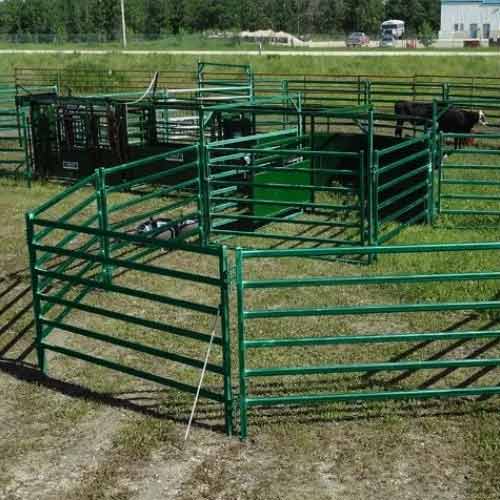
Versatility is another advantage of this fencing style. It can be adapted to create pens, corrals, and working chutes. The open design of cattle fence railing allows air to circulate, preventing snow drifts from building up against the fence in winter, a common issue with solid fences. It also allows ranchers to monitor the herd easily from a distance, maintaining visual contact with the livestock across the property.
In conclusion, the choice of fencing defines the efficiency and safety of a ranch. Cattle fence railing offers a permanent, high-strength solution for livestock management. Its durability and visibility make it a preferred option for professional ranchers who demand reliability from their infrastructure. By providing a secure boundary, it protects both the livelihood of the rancher and the well-being of the animals.
Previous article:Barbed Wire Cattle Fence: Rust-Resistant for Long-Term Farm Use
Next article:Defining Boundaries with Rustic Split Rail Fence
Hot products
Mobile: +86 15097722953
Email:metalproducts2021@163.com
Email:1755383270@qq.com