Product details description
Pasture rotation systems have emerged as a cornerstone of sustainable
grazing management, offering a holistic approach to balancing cattle production
with environmental stewardship. At the core of these systems is the strategic
movement of cattle fences to divide pastures into smaller paddocks, allowing
livestock to graze in one area while others recover. This practice stands in
contrast to continuous grazing, which often leads to overgrazing, soil
degradation, and reduced forage productivity. By implementing controlled
rotation, farmers can maintain healthy grasslands, improve soil fertility, and
enhance the long-term viability of their grazing operations, making it a vital
strategy for both ecological and economic sustainability.
The primary objective of moving cattle fences in pasture rotation is to
manage forage growth and prevent overgrazing. Different grass species have
specific regrowth requirements, and rotating cattle ensures that each paddock is
grazed only when forage reaches optimal height—typically 6 to 8 inches for
cool-season grasses—and is then given sufficient time (30 to 60 days, depending
on climate and grass type) to regrow. Moving fences also concentrates cattle in
smaller areas temporarily, which tramples manure into the soil, acting as a
natural fertilizer that enriches soil organic matter and promotes nutrient
cycling. This targeted manure distribution reduces the need for synthetic
fertilizers, lowering production costs and minimizing environmental runoff.
The design and implementation of pasture rotation systems depend on several
factors, including the size of the herd, the type of forage, climate conditions,
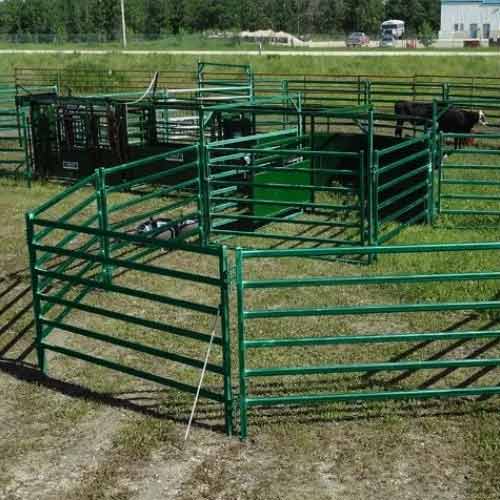
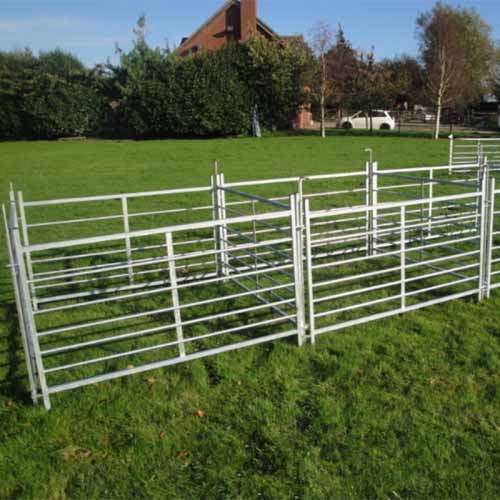
and the availability of water sources. Modern cattle fences used in rotation
systems are often portable and easy to install, such as electric polywire fences
or step-in posts, which allow farmers to quickly reconfigure paddocks as needed.
Water access is a critical consideration; each paddock must have a reliable
water source to ensure cattle health and avoid overgrazing near water points.
Some systems incorporate temporary water troughs that can be moved alongside
fences, ensuring even grazing distribution across the entire pasture.
Sustainable grazing management through pasture rotation offers numerous
environmental benefits beyond soil and forage health. Rotation helps maintain
biodiversity by supporting a variety of grass species and native plants, which
in turn provides habitat for beneficial insects, birds, and small mammals. The
healthy root systems of well-managed grasses improve soil structure, enhancing
water infiltration and reducing erosion—particularly important in areas prone to
drought or heavy rainfall. Additionally, grasslands managed through rotation
sequester more carbon in the soil, contributing to efforts to mitigate climate
change by reducing atmospheric carbon dioxide levels.
Economically, pasture rotation systems provide long-term benefits that
outweigh the initial investment in portable fencing and water infrastructure.
Improved forage productivity reduces the need for supplementary feeding,
lowering feed costs—the largest expense in cattle production. Healthy pastures
also support higher stocking rates over time, allowing farmers to increase herd
size without degrading the land. Furthermore, sustainable grazing practices can
enhance the market value of cattle, as consumers increasingly prioritize
products from environmentally responsible operations. By moving cattle fences
strategically and embracing rotation, farmers can build resilient grazing
systems that support both profitable operations and environmental sustainability
for generations.
Previous article:
Cattle Fence Maintenance Schedules: Seasonal Care and Repair Protocols
Next article:no more