Product details description
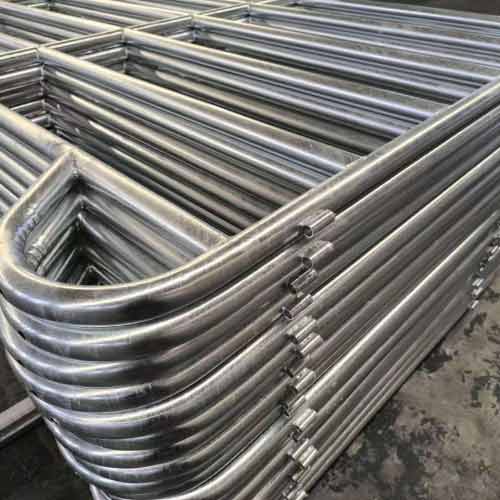
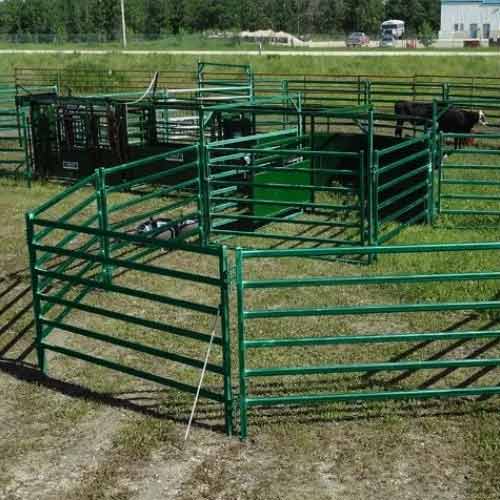
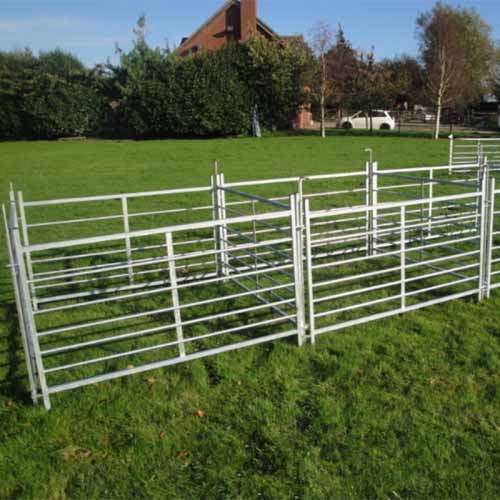
Cattle fence design is pivotal for efficient livestock management, ensuring
animal safety, pasture organization, and predator control. A well-designed fence
balances material durability (steel, wood, or high-tensile wire) with layout
logic—dividing pastures for rotational grazing, separating calves from adults,
and creating loading chutes. Key considerations include height (4–6 feet to
deter jumping), wire spacing (4–6 inches to prevent head entrapment), and post
strength (to withstand animal pressure).
Modern cattle fence design incorporates technology and animal behavior
insights. Electric fences, with low-impedance chargers, provide psychological
deterrence without physical harm, ideal for temporary enclosures. Woven wire
with barbed top strands adds security, while plastic-coated wire reduces injury
risk. For large ranches, GPS-enabled virtual fencing (via collars) is emerging,
allowing digital boundary adjustment. Designs also account for terrain—using
flexible mesh on slopes to prevent sagging.
Cost-effectiveness and maintenance define successful cattle fence design.
While initial costs vary (wood being pricier, electric lower), long-term savings
come from reduced animal escapes and labor. Regular checks for loose wires,
rust, or post rot are essential. In regions with wolves or coyotes, adding
guardian animals (dogs, llamas) complements fence design. By prioritizing both
animal welfare and operational efficiency, cattle fence design transforms
ranching into a streamlined practice.
Previous article:
Cattle Fence with Gates - Controlled Access & Movement
Next article:
Cattle Fence vs. Horse Fence: Design Differences and Safety Considerations