Product details description
Cattle fencing is not a "one size fits all" endeavor; effective containment
requires breed-specific strategies that account for the physical size and
behavioral traits of the animals. While the basic function of a fence is to keep
livestock contained and predators out, the dimensions and materials used must be
tailored to the specific breed. A fence designed for smaller, docile breeds may
be entirely inadequate for larger, more aggressive animals. Understanding these
nuances is critical for ensuring the safety of the herd and the integrity of the
fence.
Physical size is the most immediate consideration when planning fencing.
Large breeds, such as Charolais or Chianina, can reach heights and weights that
exceed the capabilities of standard farm fencing. The height of the fence must
be sufficient to prevent the animal from jumping over, often requiring five to
six feet of height for larger bulls. Conversely, fencing for smaller breeds,
like Jerseys or Dexters, can be lower to the ground, but the gaps between wires
or rails must be narrower. Smaller calves or miniature breeds are more prone to
slipping through standard openings, necessitating a tighter mesh or closely
spaced rails.
Behavioral traits are just as important as physical size in fence design.
Some breeds are notoriously aggressive or curious, prone to rubbing or leaning
on fences. For instance, breeds like the Scottish Highland or Longhorn are
strong and often use their horns to investigate or lift fencing. This requires
heavy-duty posts and rigid wire or rail fencing that can withstand significant
pressure. Using lightweight t-posts or flimsy electric tape with such breeds
will result in frequent breakouts and damaged infrastructure.
Temperament also dictates the type of fencing required. Dairy breeds, which
are often more docile and accustomed to human handling, may be adequately
contained with simple barbed wire or electric fencing. However, beef breeds,
particularly bulls or cows with calves, can be highly aggressive and protective.
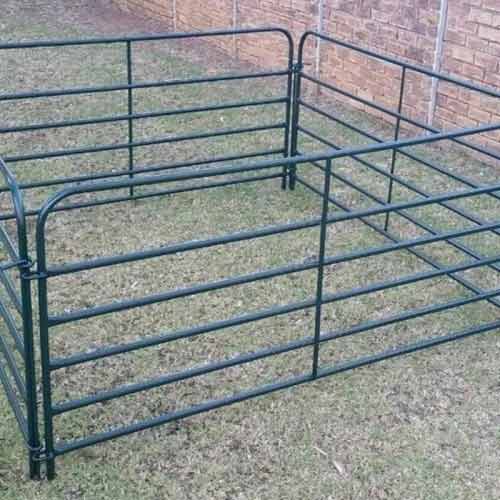
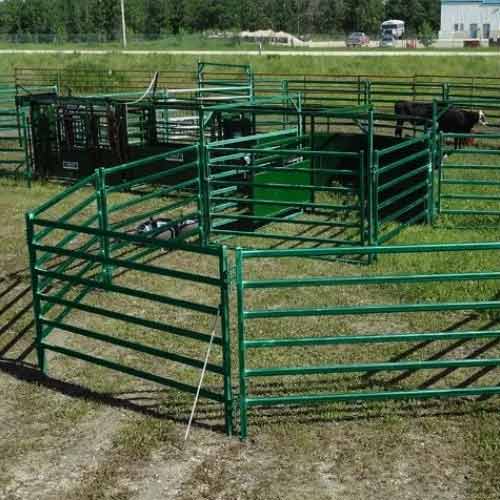
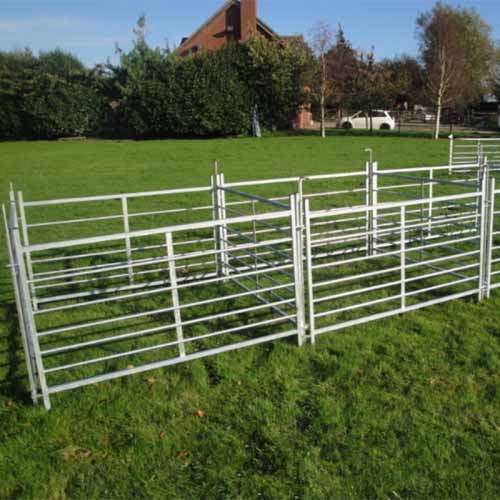
In these cases, a sturdy physical barrier, such as pipe fences or high-tensile
woven wire, is necessary. Electric fencing can be used as a psychological
deterrent, but it is rarely sufficient as the sole barrier for aggressive cattle
unless it is extremely powerful and well-maintained.
In conclusion, breed-specific cattle fencing requires a thoughtful
assessment of both the animal's physical dimensions and its behavioral
characteristics. By selecting the appropriate height, material strength, and
fence type based on the breed, farmers can prevent escape attempts and reduce
the risk of injury to the livestock. Effective fencing is an investment in
biosecurity and herd management. Tailoring the fence to the specific cattle it
contains ensures that the barrier remains robust, secure, and long-lasting.
Previous article:
Cattle Fence Height Requirements: Livestock Safety and Containment Standards
Next article:
Cattle Fence Maintenance Schedules: Seasonal Care and Repair Protocols