Common Issues and Solutions for Your Practical Cattle Fence
Release time:2026-02-05 Click:8
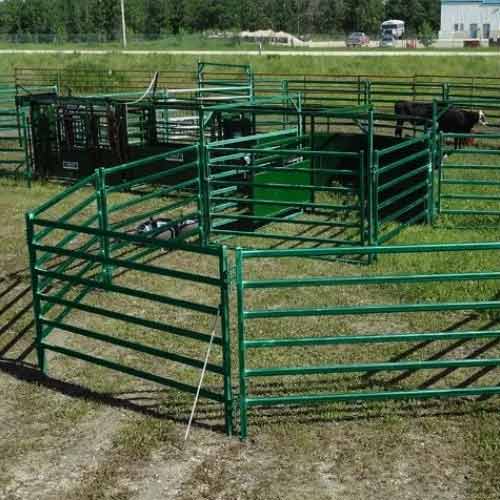
Practical cattle fences are essential for containing livestock, but they face unique challenges from animal behavior, weather, and wear. Identifying common issues—such as structural weakness, inadequate containment, or material degradation—and implementing targeted solutions ensures the fence remains effective and safe for both cattle and handlers. A well-maintained fence balances durability with adaptability to herd dynamics.
A frequent problem is fence post instability, often caused by soil erosion, animal rubbing, or insufficient depth. Leaning or uprooted posts compromise the entire barrier. To resolve this, reinforce posts by driving additional braces at an angle, or replace rotten wooden posts with pressure-treated alternatives. For sandy soils, using concrete-encased posts or expanding anchors provides deeper anchorage. Regularly checking post alignment after heavy rains or grazing pressure prevents gradual shifts.
Gaps or loose wires in wire-based fences allow agile cattle to escape. Over time, wire tension decreases due to stretching or animal impact. Tighten wires using turnbuckles, and replace frayed sections with high-tensile wire for greater resilience. Electric fence components, such as broken insulators or dead chargers, must be repaired immediately—electric fences work best when consistently charged, deterring attempts to push through. For mixed herds, adjustable gate latches prevent calves from slipping through while allowing adult access.
Material degradation, like rust on metal fences or rot in wooden ones, reduces strength. Apply rust-inhibiting paint to steel components annually, and treat wooden fences with preservatives. Vegetation encroachment can also weaken fences by trapping moisture; trim overhanging branches and clear weeds regularly. By combining structural reinforcements with routine checks, cattle fences remain reliable guardians of pasture boundaries.
Previous article:Ensuring Safety and Security with a Reliable Horse Fence
Next article:Creating Secure Boundaries Using Welded Wire Fence
Hot products
Mobile: +86 15097722953
Email:metalproducts2021@163.com
Email:1755383270@qq.com