Building a Foundation for Sustainable Ranching: Cattle Field Fence Mesh
Release time:2026-02-11 Click:6
Sustainable ranching requires a delicate balance between maximizing livestock productivity and preserving the health of the land. At the heart of this balance is the infrastructure that contains and protects the herd. Cattle field fence mesh serves as the foundation for sustainable ranching, offering a durable, secure, and wildlife-friendly perimeter that allows ranchers to manage their herds responsibly while maintaining the integrity of the natural ecosystem.
The design of cattle field fence mesh is specifically tailored to the needs of large livestock. With its distinctive "stay" wires that are woven through the vertical wires to create tight rectangles, the mesh provides a highly visible and strong barrier. This prevents cattle from pushing through or getting their heads caught, reducing the risk of injury to the animals and potential damage to the fence itself. A secure enclosure ensures that livestock do not wander off into sensitive wildlife habitats or onto roadways, protecting both the herd and the surrounding environment.
Environmental sustainability is a key benefit of using modern fencing mesh. Unlike barbed wire fences, which can be lethal to wildlife such as deer, elk, and pronghorn that try to jump over or crawl under, field fence mesh is a more passive barrier. Most wildlife can see the fence clearly and can usually jump over it or crawl under it without harm. This compatibility with wildlife allows ranchers to coexist with local fauna, preserving biodiversity on the grazing land.
Durability plays a crucial role in the sustainability of the fencing infrastructure. High-quality cattle field fence mesh is typically galvanized or coated to resist rust and corrosion. This longevity means that the fence does not need to be replaced frequently, reducing the consumption of materials and the energy required for installation over the long term. A fence that lasts for decades minimizes the carbon footprint of the ranch and ensures that the perimeter remains secure without constant maintenance interruptions.
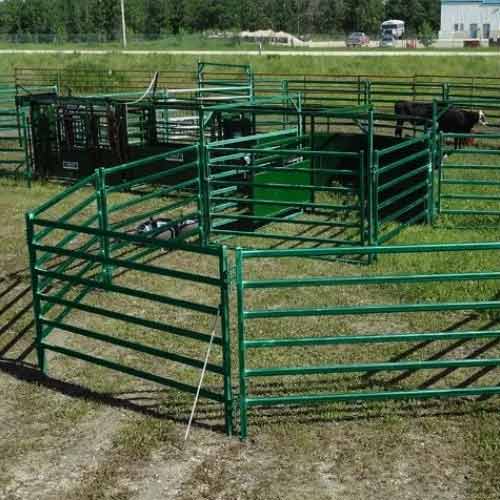
Effective herd management is facilitated by the reliability of the fence. By dividing the pasture into multiple paddocks using fencing mesh, ranchers can implement rotational grazing. This practice involves moving cattle between pastures to allow grass to recover, which prevents overgrazing, promotes soil health, and increases forage production. The physical barrier of the mesh is essential for enforcing these rotational schedules, ensuring the land is utilized efficiently and sustainably.
In conclusion, cattle field fence mesh is more than just a boundary; it is a tool for responsible land stewardship. It provides the security needed for livestock while being considerate of local wildlife and built to last. By investing in high-quality fencing, ranchers build a foundation for a sustainable operation that balances economic viability with environmental health for future generations.
Previous article:Low-Maintenance Cattle Fence: Enhancing Herd Safety and Comfort
Next article:Defining Property Boundaries with Rustic Split Rail Fence
Hot products
Mobile: +86 15097722953
Email:metalproducts2021@163.com
Email:1755383270@qq.com