Professional Guidelines for Effective Cattle Fence Installation Ensuring Livestock Management and Land Protection
Release time:2026-02-25 Click:12
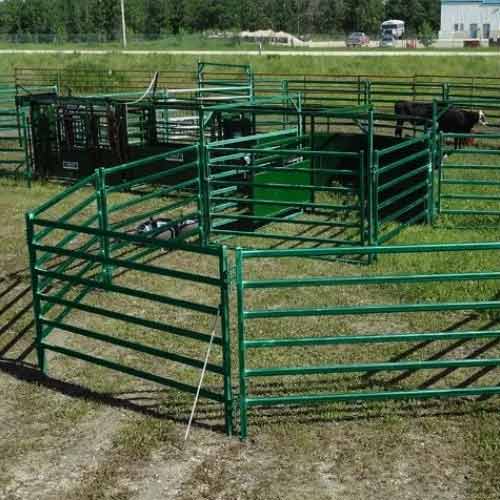
Proper cattle fence installation forms the foundation of successful livestock management operations, creating secure boundaries that protect both animals and property while enabling effective rotational grazing practices. The planning phase of a cattle fence project requires careful consideration of herd size, grazing rotation schedules, terrain characteristics, and predator pressures to determine the appropriate fence type and specifications. Cattle, particularly larger breeds, can exert considerable force against containment barriers, necessitating fence designs that combine structural strength with sufficient flexibility to absorb impact without catastrophic failure. The traditional barbed wire fence remains common in extensive ranching operations, though high-tensile smooth wire systems have gained popularity for their improved safety profile and longevity when properly installed and maintained.
The technical requirements for effective cattle fence installation vary significantly based on the specific management objectives and environmental conditions. Interior pastures intended for long-term cattle containment typically require fence heights of at least fifty-four inches, with closer spacing of horizontal wires near the ground to prevent calves from escaping beneath the fence line. Corner and gate posts must be set below the frost line in cold climates and should be constructed from durable hardwood species or pressure-treated timber to resist decay over the decades-long service life expected from permanent fence installations. Tensioning systems for high-tensile wire fences require careful calibration to maintain appropriate wire tension throughout seasonal temperature variations, as thermal expansion and contraction can significantly affect wire tension and fence performance.
Modern cattle fence installation increasingly incorporates technological enhancements that improve monitoring capabilities and management efficiency. Electric fence systems, whether as primary containment or as psychological barriers supplementing non-electrified fencing, provide effective cattle containment with reduced material costs and easier installation on difficult terrain. Remote monitoring systems utilizing solar-powered sensors can detect fence line faults and voltage drops, alerting managers to problems before cattle can escape or predator incursions occur. The integration of water troughs, shade structures, and rotational grazing infrastructure with fence line design creates comprehensive management systems that optimize both animal welfare and pasture productivity over the long term. These technological advances, combined with sound traditional construction practices, enable modern cattle operations to achieve effective containment while maintaining the flexibility to adapt to changing herd sizes and management strategies.
Previous article:Safe Livestock Management: Cattle Fence Deck Railing Solutions
Next article:Securing Livestock and Pastures with Sturdy horse fence
Hot products
Mobile: +86 15097722953
Email:metalproducts2021@163.com
Email:1755383270@qq.com