Keep Your Herd Contained – Cattle Fence
Release time:2026-03-03 Click:12
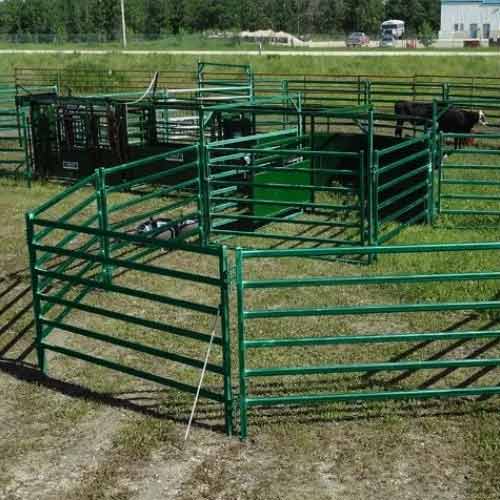
Cattle fence systems play a crucial role in modern livestock management, providing secure containment for animals while ensuring the safety of both livestock and surrounding communities. These specialized fencing solutions are designed to withstand the considerable force and size of cattle, preventing escapes and protecting animals from external threats such as predators or unauthorized access. Modern cattle fencing incorporates durable materials and innovative designs that address the unique challenges of containing large, powerful animals over extended periods. The effectiveness of a cattle fence directly impacts operational efficiency, animal welfare, and economic viability of farming operations.
The construction of effective cattle fencing requires careful consideration of materials, height, and spacing to accommodate the specific behaviors and physical characteristics of cattle. Traditional wood and wire combinations remain popular, while modern alternatives include high-tensile steel wire, synthetic materials, and electric fencing systems. Cattle fencing typically ranges from 54 to 60 inches in height, with closer spacing at the bottom to prevent calves from crawling through. Posts are usually spaced 12 to 15 feet apart for optimal tension and stability. Corner and gate posts require additional reinforcement due to the significant pulling forces exerted by contained animals. Underground foundations may be necessary in areas with loose soil or aggressive animals.
Electric cattle fencing has revolutionized livestock management by providing psychological barriers that effectively contain animals while requiring less physical material than traditional fencing. These systems use energizers that deliver safe but memorable electric pulses when animals make contact with the wire. Modern electric fences feature advanced controls with lightning protection, battery backup systems, and remote monitoring capabilities. The psychological impact of electric fencing typically requires animals to receive an initial conditioning shock, after which they respect the boundaries without repeated contact. Combined fencing systems that integrate electric elements with physical barriers provide maximum security for high-value operations or areas with persistent escape artists.
Maintenance and long-term performance of cattle fencing systems require regular inspection and prompt repairs to ensure continuous security. Routine checks should focus on post stability, wire tension, and gate functionality, particularly after severe weather events or seasonal changes. Vegetation management around fence lines prevents damage from trees and brush while maintaining clear sight lines for inspection purposes. Properly maintained cattle fencing systems can last 20-30 years for permanent installations, with electric components typically requiring battery or energizer replacements every 3-5 years. The investment in quality fencing materials and professional installation often pays dividends through reduced animal losses, lower maintenance costs, and improved operational efficiency. Modern fencing solutions also accommodate wildlife corridors and environmental considerations, promoting sustainable agricultural practices.
Previous article:The Strategic Design of Perimeter Fence
Next article:Multi-Functional Landscaping with Cattle Fence Panel Trellis
Hot products
Mobile: +86 15097722953
Email:metalproducts2021@163.com
Email:1755383270@qq.com