Product details description
Cattle fencing systems represent critical infrastructure for livestock
management, providing secure containment, rotational grazing capabilities, and
predator protection while ensuring animal safety and property boundary
definition across diverse terrain conditions. These fence systems utilize ASTM
A121 galvanized steel wire with minimum tensile strength of 60,000 PSI and zinc
coating weights of 0.80 oz/sq ft minimum, providing corrosion resistance for
outdoor installations with 20+ year service life in typical ranch environments.
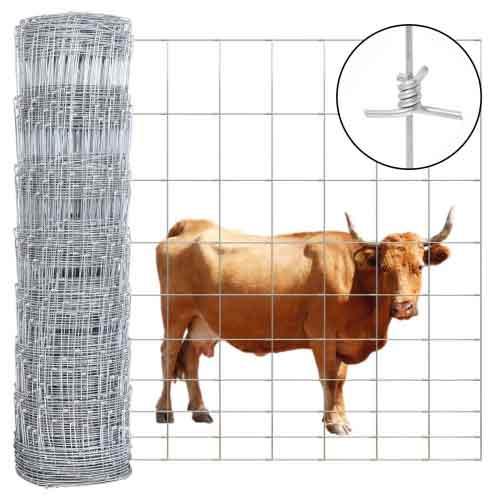
High-tensile fencing incorporates 12.5 gauge wire with breaking strengths
exceeding 1,500 pounds, enabling reduced post spacing (up to 30 feet) while
maintaining structural integrity under livestock pressure. The fence heights
typically range from 54 inches to 60 inches for cattle, with bottom wires
positioned 12 inches above ground to prevent calf escape while allowing predator
exclusion. Line post spacing varies by terrain and wire configuration, with
recommendations of 80-100 feet for straight runs and 40-60 feet for rolling
terrain to maintain proper wire tension and structural stability. Corner and end
post systems utilize larger dimensions (6-8 inch diameter) with buried depths of
3-4 feet, incorporating diagonal bracing systems to withstand tension forces
exceeding 2,000 pounds per linear foot of fence. Gate installations utilize ASTM
A392 chain link fabric or welded wire construction, with minimum 16-foot clear
openings for equipment access and integrated latch systems providing secure
closure under livestock pressure.
Advanced cattle fencing incorporates modern materials and installation
techniques including polymer-coated wires that reduce injury risk and improve
visibility, electrified systems using solar-powered chargers providing 6-8 joule
output for optimal animal training and predator deterrence, and specialized
wildlife-friendly designs that maintain livestock security while allowing safe
passage for native species. The wire tensioning systems utilize ratchet-style
tighteners achieving 250-300 pounds tension per wire, with tension meters
ensuring proper installation and maintenance protocols. Post materials include
pressure-treated wood meeting AWPA U1 standards, galvanized steel posts
conforming to ASTM A500 specifications, and innovative composite posts providing
50+ year service life without maintenance requirements. Fence energizers
utilizeUL-listed components with weather-resistant housings, achieving output
voltages of 6,000-8,000 volts for effective livestock control while maintaining
human safety standards. Ground rod systems utilize galvanized steel rods meeting
IEEE 80 specifications, with minimum 6-foot lengths for proper grounding and
fault current dissipation. Installation procedures follow industry best
practices including proper wire splicing techniques, correct post setting
depths, and periodic inspection protocols to maintain fence effectiveness
throughout seasonal weather changes. Planning considerations include water gap
crossings, wildlife migration corridors, terrain challenges, and neighbor
coordination for boundary fence installations.
Previous article:
Cattle Fence– Durable Solution for Large Pastures
Next article:
Cattle Fences in Rotational Grazing Systems: How They Improve Pasture Health