Product details description
Rotational grazing systems boost pasture health by controlling livestock
movement, and cattle fences are the essential tool that makes this possible. By
dividing pastures into smaller paddocks and rotating cattle at planned
intervals, farmers prevent overgrazing and allow forage plants time to recover.
Proper fencing ensures animals stay within designated areas, eliminating
selective grazing that weakens plant diversity and encourages weed invasion.
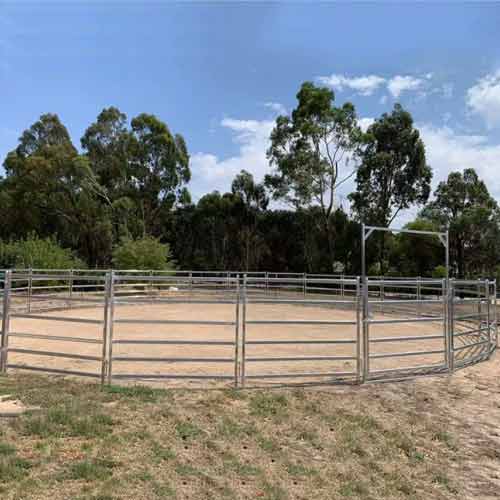
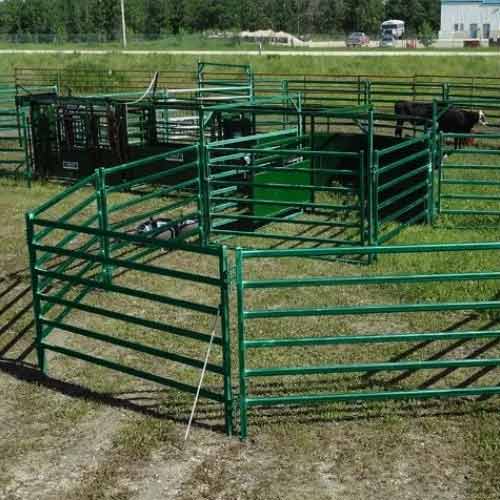
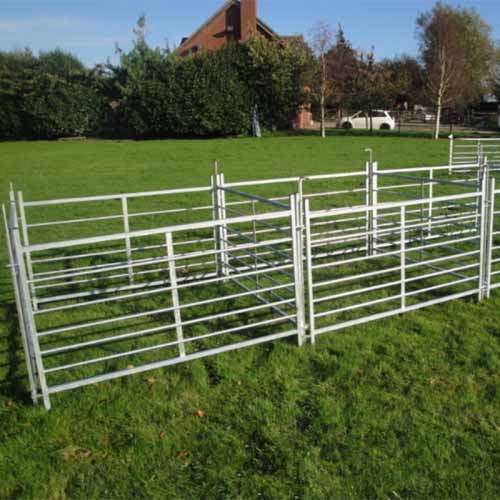
The design of cattle fences for rotational systems must balance strength,
portability, and ease of reconfiguration. Permanent high-tensile wire fences
work well for long-term divisions, while portable electric fences or lightweight
panels enable quick reconfiguration between rotations. Posts must withstand
animal pressure and environmental loads, and the electrical system (if used)
must deliver consistent voltage to deter breaches.
Fencing also facilitates more uniform manure distribution, a key to soil
fertility. In continuous grazing, manure tends to accumulate near water and
shade, creating nutrient hotspots and patches of poor growth. Rotational grazing
with well-placed fences spreads manure evenly, encouraging balanced nutrient
cycling and healthier root systems. This reduces the need for synthetic
fertilizers and improves soil structure over time.
Additionally, controlled grazing reduces parasite loads. Parasite larvae
thrive in moist, heavily grazed areas; by moving cattle frequently, fences
interrupt the parasite life cycle, lowering disease pressure and reducing
reliance on chemical dewormers. The result is a sustainable system where cattle
fences not only contain livestock but actively enhance pasture vigor,
productivity, and ecological balance.
Previous article:
Cattle Fencing: Everything Ranchers Should Know
Next article:
How to Install a Cattle Fence: Step-by-Step Guide for Ranchers and Farmers